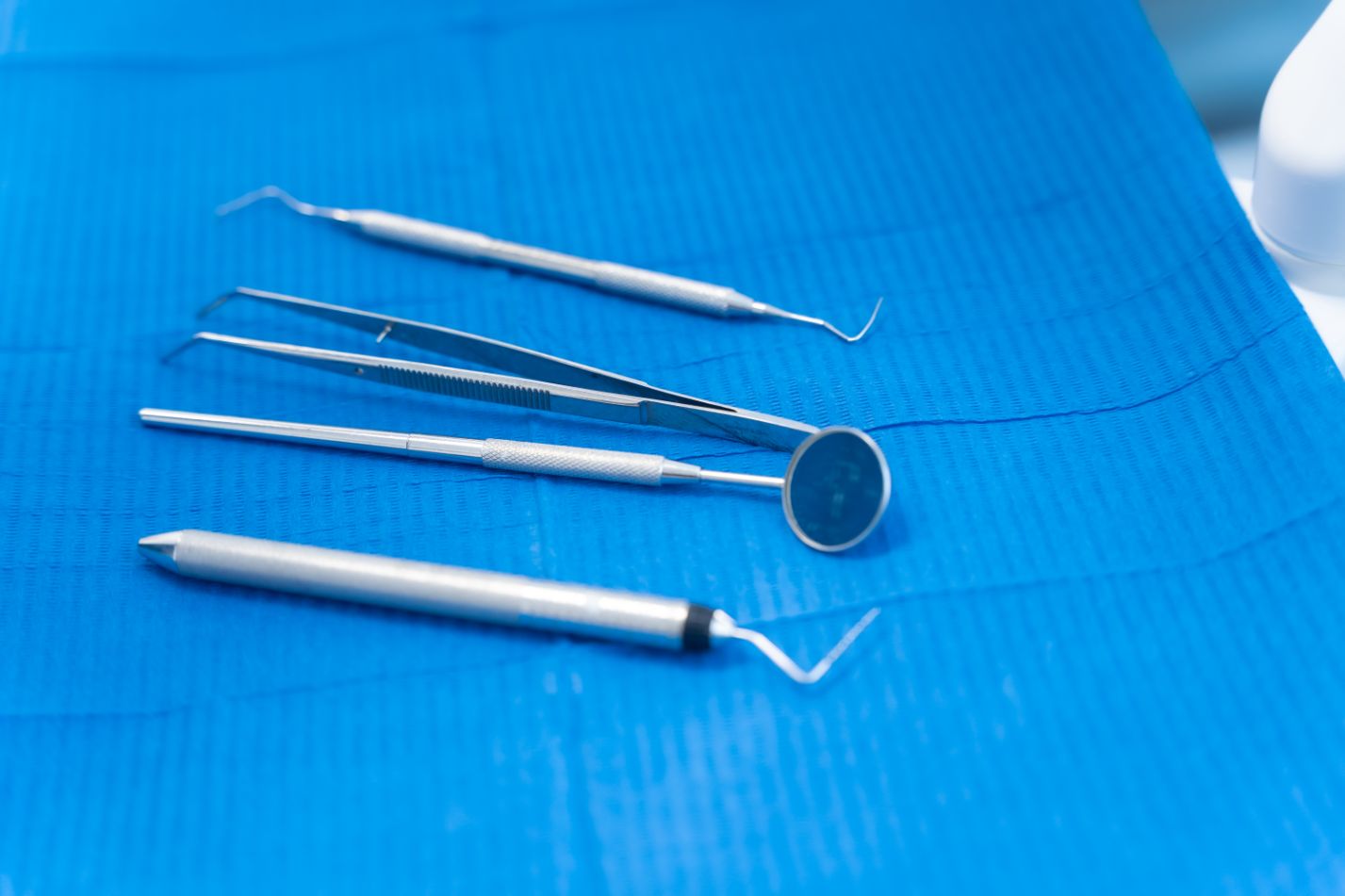
Maintaining a high level of hygiene and cleanliness is crucial in dental practices to ensure the safety and well-being of patients and staff alike. One of the most critical aspects of dental care is the proper cleaning and disinfection of dentist tools.
Gather the Necessary Supplies: Before you begin the cleaning process, gather all the essential supplies required for the task. These typically include gloves, protective eyewear, masks, detergent, brushes, enzymatic cleaners, disinfectant solutions, and sterilization equipment like autoclaves or chemical vapor sterilizers.
Pre-Cleaning: Start by removing any visible debris, blood, or saliva from the instruments. Use disposable wipes or paper towels to wipe off the excess material gently. Avoid touching sharp edges directly to prevent injury.
Ultrasonic Cleaning: For thorough cleaning, place the instruments in an ultrasonic cleaner. Fill the cleaner with an appropriate enzymatic solution, following the manufacturer’s instructions. The ultrasonic vibrations will help dislodge debris and particles from hard-to-reach areas. Allow the instruments to soak for the recommended duration.
Manual Cleaning: After ultrasonic cleaning, perform a manual cleaning to further remove any remaining debris. Use a soft-bristled brush, preferably with a long handle, to reach crevices and intricate parts of the instruments. Rinse the tools thoroughly with water to remove any residual cleaning solution.
Inspection: Before moving forward, inspect the instruments carefully. Look for signs of damage, corrosion, or wear. Any compromised tools should be replaced immediately to ensure optimal performance and safety during procedures.
Drying: After cleaning, ensure that the instruments are completely dry before proceeding to disinfection or sterilization. Moisture can hinder the effectiveness of disinfection methods and may lead to rust or corrosion over time.
Disinfection: Disinfection is a critical step in killing or inactivating a wide range of disease-causing microorganisms. Use a high-level disinfectant solution or chemical sterilant specifically designed for dental instruments. Follow the manufacturer’s guidelines for proper dilution and contact time to achieve the desired level of disinfection.
Sterilization: Certain dental instruments, like surgical tools, require sterilization to eliminate all forms of microbial life, including bacterial spores. Autoclaves and chemical vapor sterilizers are commonly used in dental practices for this purpose. Ensure that the sterilization equipment is well-maintained and regularly tested for efficiency.
Packaging and Storage: Once the instruments are cleaned, disinfected, and sterilized, package them in appropriate sterilization pouches or wraps. Label the packages with the date of sterilization for easy tracking. Store the properly packaged instruments in clean, dry, and designated areas to prevent contamination.
Regular Monitoring and Record Keeping: Maintaining meticulous records is essential for any dental practice. Keep a detailed log of all cleaning, disinfection, and sterilization activities. Regularly monitor the effectiveness of the process through biological indicators and chemical indicators to ensure consistent results.
cosmedent provides dental tools for dentists, ensuring precision, efficiency and quality in oral procedures. Explore their innovative instruments today.